Urban Design Studio Models Shape Jhakarkatti Redevelopment Vision
Architecture students collaboratively analyze, design, and reimagine Tertar Mile urban fabric
The Bachelor of Architecture students are actively engaged in an intensive urban design studio focused on the redevelopment of the Tertar Mile area in Jhakarkatti. The project, undertaken as part of their academic curriculum, involves a comprehensive study of the existing urban fabric alongside the development of forward-looking design proposals.
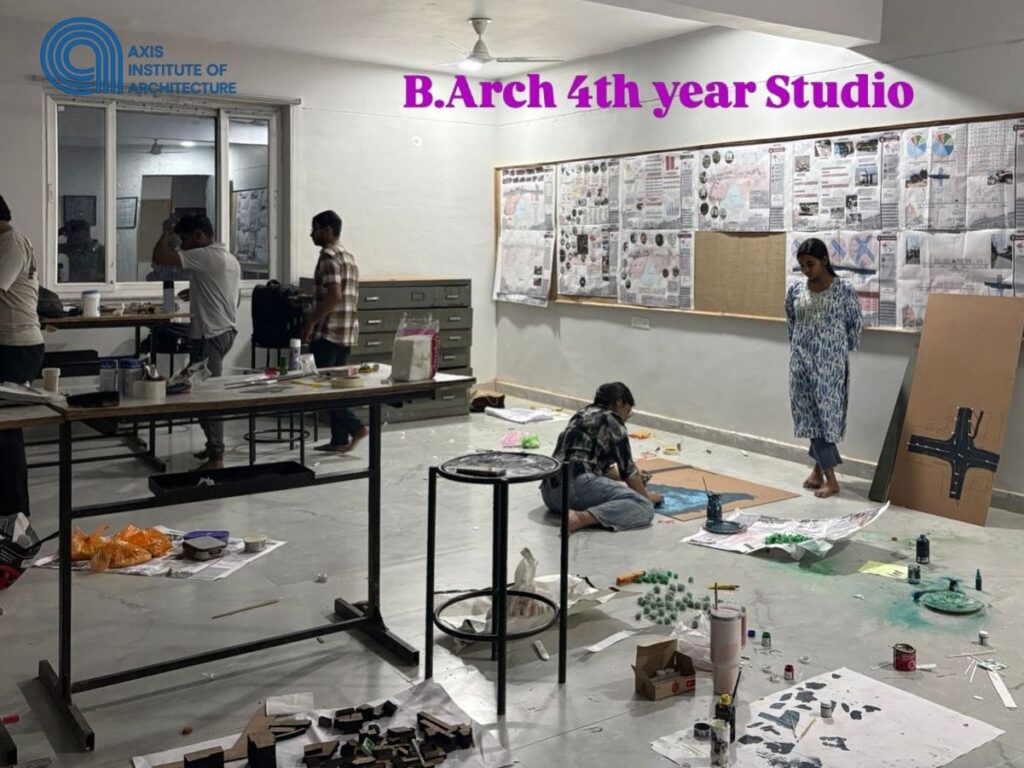
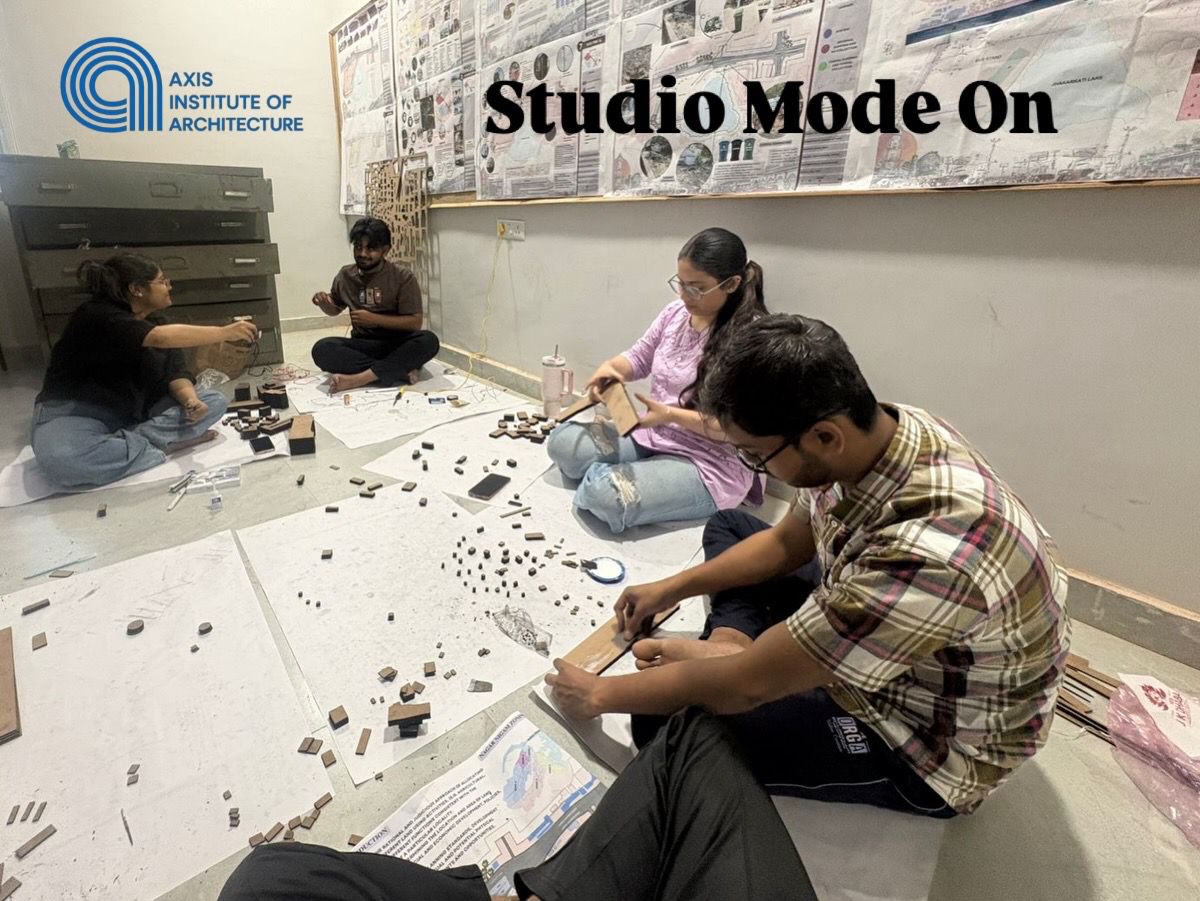
Working in groups, students are preparing detailed physical models that represent both the current conditions and proposed interventions within the site. The existing model captures the realities of the Tertar Mile belt—its built density, circulation patterns, open spaces, and infrastructural challenges. In contrast, the proposal models reflect innovative design strategies aimed at improving livability, connectivity, and sustainability in the area.
The studio environment is marked by collaboration, critical discussions, and continuous iteration. Students divide responsibilities within their teams, ranging from site analysis and conceptual planning to model-making and graphical representation. This collective approach not only enhances design outcomes but also mirrors real-world architectural practice, where teamwork and coordination are essential.
Faculty guidance plays a crucial role in shaping the direction of the project. Regular juries and desk reviews provide students with feedback, encouraging them to refine their ideas and strengthen their design rationale. The studio becomes a dynamic space where concepts evolve through dialogue, experimentation, and hands-on work.
The process of model-making, in particular, stands out as a key learning tool. It allows students to visualize spatial relationships, understand scale, and communicate their ideas effectively. The tactile engagement with materials further deepens their connection to the design process, bridging the gap between theoretical knowledge and practical application.
At the undergraduate level, architecture education emphasizes exploration and adaptability. Projects like the Tertar Mile redevelopment not only challenge students to think critically about urban issues but also prepare them for professional practice. Through this experience, they gain insight into the complexities of urban environments and the role of design in shaping future cities.
As the project progresses, the studio continues to reflect the energy, creativity, and dedication of budding architects striving to make meaningful contributions to the built environment.